

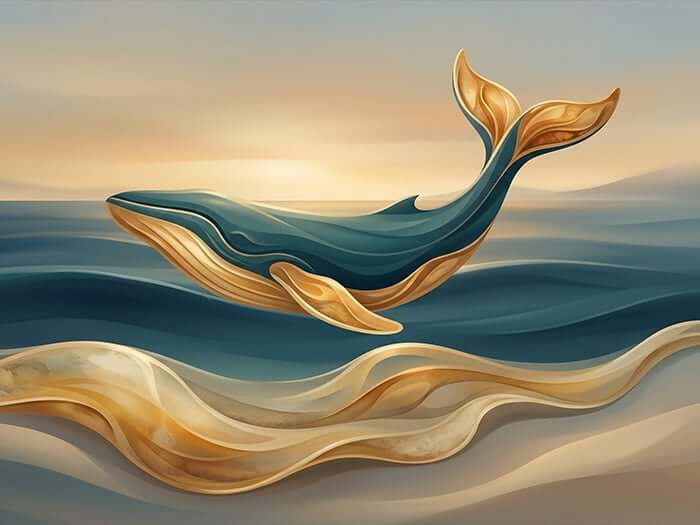
Few materials in perfumery possess the same aura of mystery and fascination as ambergris. For centuries, this rare substance has occupied a legendary place in fragrance history, valued not only for its unique scent but also for its remarkable ability to enhance the depth, longevity, and texture of perfumes.
This rare secretion originates from the digestive system of sperm whales and gradually transforms through years of exposure to saltwater, sunlight, and air. In its raw form, it carries a rough, marine character, but as it matures, it develops a complex aroma often described as warm, musky, mineralic, slightly sweet, and softly animalic. This unusual balance between freshness and warmth helped establish the substance as one of the most prized ingredients in classical perfumery.
As natural ambergris became increasingly rare, expensive, and restricted, modern perfumery turned toward innovative alternatives capable of recreating its distinctive character. This search eventually led to the development of Ambrox and Ambroxan, two aroma molecules that transformed contemporary fragrance creation.
Ambroxan, derived primarily from natural compounds found in clary sage, captures one of the most recognizable facets of aged ambergris. Rather than smelling overtly sweet or heavy, it introduces a smooth combination of woody warmth, mineral freshness, soft musk, and skin-like sensuality. In many modern fragrances, Ambroxan functions almost invisibly, creating an aura that feels radiant, clean, and effortlessly long-lasting.
A primary reason for Ambroxan's influence is its versatility. It blends seamlessly with woods, musks, florals, citrus notes, incense, and modern amber accords. Perfumers frequently use it to create projection, enhance longevity, and add a transparent depth that allows compositions to feel expansive without becoming heavy. Its scent profile can even manifest differently from person to person, with some detecting salty driftwood nuances, while others perceive warm skin, dry amber, or mineral textures.
Today, the relationship between ambergris and Ambroxan reflects the evolution of perfumery itself. One represents a legendary natural material shaped by time and nature, while the other embodies modern innovation and sustainability. Together, they continue to influence countless fragrances, creating the luminous, sensual, and addictive signatures that define much of contemporary perfumery.