

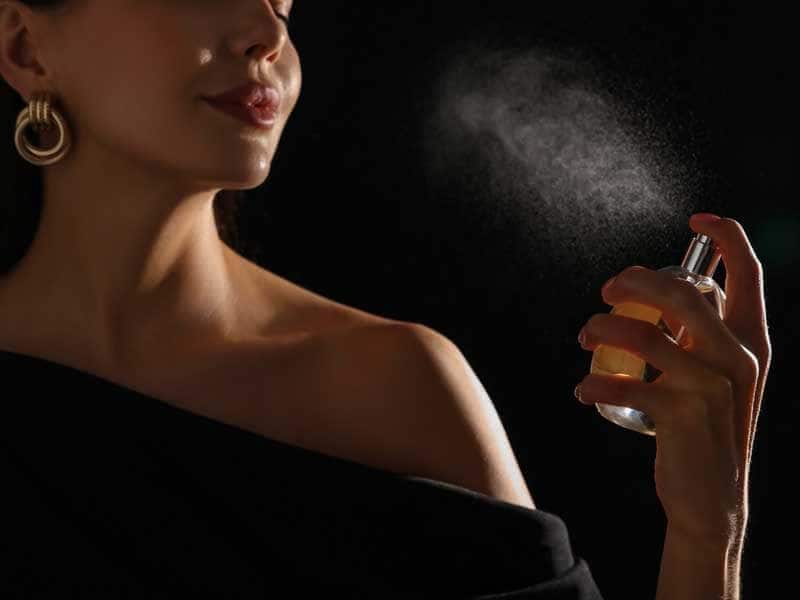
Climate significantly influences perfume performance. Understanding how environmental conditions affect fragrance longevity, sillage, and projection is crucial for perfume enthusiasts who wish to maintain an optimal scent experience throughout the day. This detailed guide will explore how different climates can impact the behavior of perfumes and offer strategic tips for enhancing fragrance performance across varying conditions.
Understanding Key Fragrance Terms
Longevity:
This term refers to the duration a perfume lasts on the skin after application. High longevity means the fragrance remains noticeable for several hours, providing a lasting scent experience.
Sillage:
Derived from the French, sillage describes the trail of scent left by the wearer. A perfume with strong sillage leaves a noticeable scent trail that can be detected by others from a distance.
Projection:
Projection refers to the distance a fragrance radiates from the wearer. It is a measure of how far away the scent can be sensed. Effective projection ensures the fragrance is perceptible within a reasonable space around the wearer.
Climate Impact on Perfume Characteristics
Influence of High Temperatures:
In warmer climates, the increase in body temperature and ambient heat accelerates the evaporation of fragrance molecules. While this may decrease the longevity of the perfume, it typically enhances projection and can increase sillage due to the higher rate of diffusion.
Interaction with sweat can alter the fragrance’s chemical makeup, sometimes leading to a different scent profile than intended.
Effects of Low Temperatures:
Colder air slows the evaporation rate of fragrance molecules, potentially increasing longevity as the scent lingers longer on the skin.
However, the reduced kinetic energy in cold air may lead to diminished sillage and projection, as the fragrance molecules do not travel as far or as freely.
High Humidity Considerations:
Humid conditions can enhance the longevity of a fragrance by trapping the scent molecules within the skin’s moisture. This can help sustain the fragrance's presence.
High humidity levels allow lighter top notes to bloom and become more pronounced, altering the fragrance’s overall character. However, increased perspiration can mix with the fragrance, changing its intended scent.
Challenges of Low Humidity:
In dry climates, the lack of ambient moisture can cause the skin to dry out, which may lead to a faster evaporation of the fragrance and reduced longevity.
Dry air tends to emphasize the heavier base notes of a fragrance, as the lighter top notes may evaporate more quickly.
Adapting Perfume Usage to Different Climates
Opt for Lighter Fragrances:
Choose scents with citrus, aquatic, or green notes that are less likely to become overwhelming in the heat. These fragrances are refreshing and tend to perform well in high temperatures.
Select Higher Concentration Formulas:
Eau de Parfum or Parfum, which contain higher percentages of fragrance oils (typically between 15-20%), can offer better longevity in hot conditions due to their lower alcohol content and higher oil concentration.
Application Techniques:
Applying perfume to clothing or hair can reduce direct skin contact where sweat may alter the scent. These methods allow for a more gradual release of the fragrance.
Warm, Rich Scents:
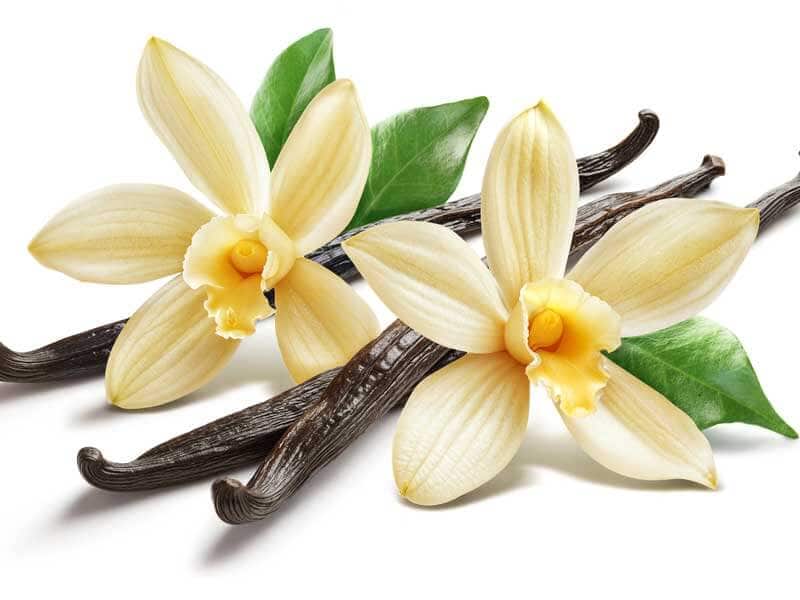
Opt for perfumes featuring amber, vanilla, spices, or woody notes. These ingredients naturally perform better in cold weather by providing a sense of warmth and comfort.
Apply to Body Heat Areas:
Using perfume on pulse points like the wrists, neck, or behind the ears can help enhance the scent’s diffusion, as these areas emit more body heat.
Moisturize Before Application:
An unscented moisturizer can form a barrier that locks in the fragrance, significantly improving its longevity on dry skin.
Layering Fragrances:
Enhance your fragrance’s performance by layering similar scents. Start with a scented body wash or lotion and top it with your perfume to build a stronger fragrance base that lasts longer.
Climate plays a critical role in determining how a perfume performs, impacting its longevity, sillage, and projection. By understanding these effects and adjusting fragrance choices and application methods accordingly, individuals can ensure their perfumes are both effective and pleasing in any environmental condition. This guide provides valuable insights and practical tips for anyone looking to optimize their fragrance experience, helping them to make informed choices that enhance personal scent profiles in any climate scenario.