

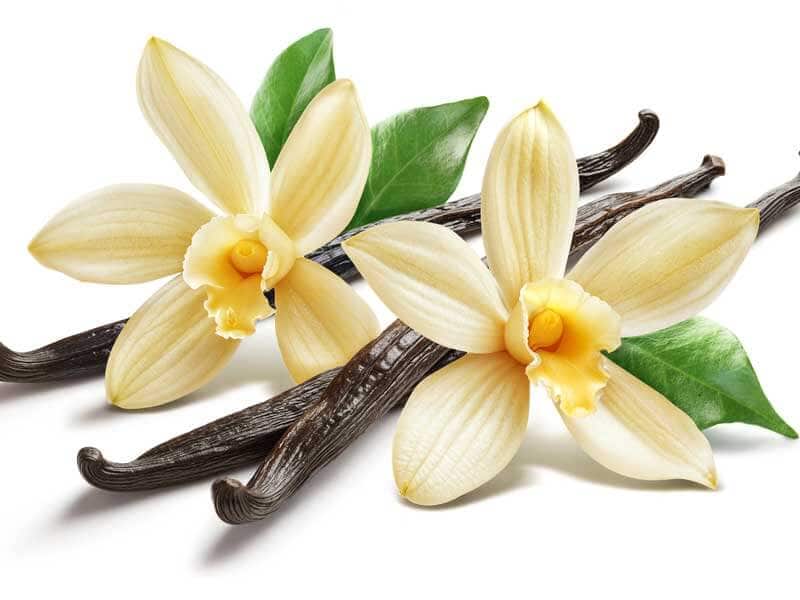
It is scientifically approved that it’s almost impossible for a human to repulse the smell of vanilla. Vanilla, the world’s second expensive spice after saffron, derived from the Spanish word "vainilla," meaning "little pod," is not just a spice but a saga that spans centuries and continents. The story of the spice begins with the Aztecs in the Mexican region of the new world, who were the first known civilization to harness the aromatic qualities of Vanilla Pompona. They added it to their cocoa beverage, Xoco-lall, creating a drink that was aromatic and flavorful. The enchanting flavor of it captivated the Spanish discoverers upon their arrival and led to its introduction to Europe in the 16th century following the colonization of the Mayan and Inca territories.
Cultivation and Pollination
The cultivation of this plant is complex and labor-intensive, requiring precise conditions and manual labor for pollination. Originally, the vanilla orchid was naturally pollinated by the Melipona bee in its native habitat of South America, Mexico, and the West Indies. However, when European settlers attempted to grow the plant on islands like Reunion and Madagascar, the absence of this specific pollinator posed a significant challenge. This led to the development of a manual pollination technique by Edmond Albius in 1841, which remains the standard practice in its cultivation today. This method involves using a toothpick or a similar tool to delicately transfer pollen from the stamen to the pistil of the flower, a skill performed by farmers known as "marieurs."
Harvesting and Processing
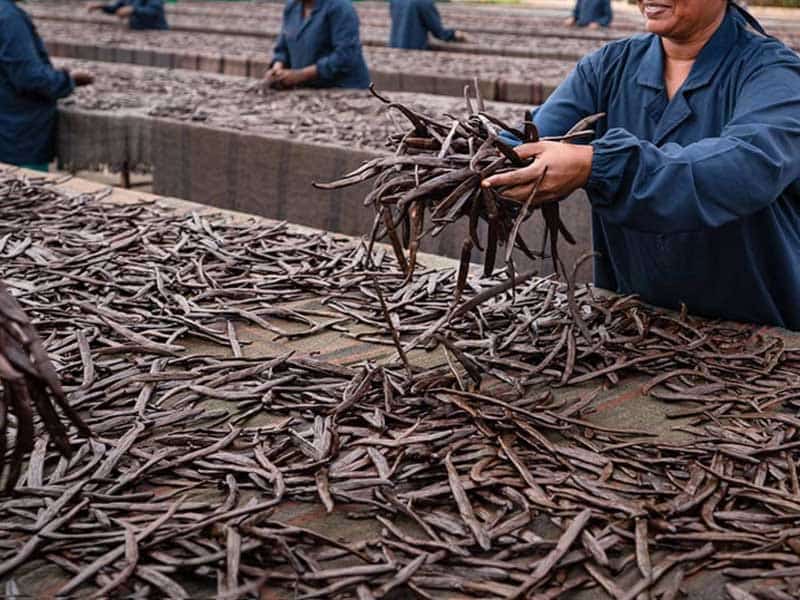
The pods require nine months to mature, with harvesting typically occurring between July and September. The pods are picked once they display a yellowish-green hue that indicates they are ready for the next stage. To preserve the pods' aromatic profile, they are processed within two to three days of harvesting. This process involves several stages: scalding, sweating, slow-drying, and curing over several months. These steps are crucial as they develop the rich flavors and fragrances for which the spice is celebrated. The culmination of this meticulous process is the production of vanilla absolute, essence, or perfume extract, used widely across the food, perfume, and cosmetics industries.
Economic and Botanical Challenges
While there are between 110 and 130 species of the plant, only three hold significant economic relevance: Planifolia, Tahitensis, and Pompona.
Vanilla Planifolia, also known as Bourbon Vanilla, is named after Bourbon Island and is the most widely cultivated. It thrives in Madagascar and the tropical forests of Mexico and Central America.
Vanilla Tahitensis, found mainly in French Polynesia, is prized for its floral and fruity aroma but contains a lower concentration of vanillin.
Vanilla Pompona, known for its larger and more elongated pods, is less common due to its lower vanillin content and smaller yield.
The cultivation of the pods is fraught with challenges. The plants are susceptible to various diseases that can devastate crops. Additionally, the intensive labor and long cultivation process make it one of the most expensive spices in the world. These factors contribute to the spice's high cost and the fluctuation in supply, which is often affected by climatic changes and plant diseases. However, it is an inevitable part of a huge percentage of perfumes in the market and is in enormous and ongoing demand in the industry.
Synthetic Vanillin
The challenges of natural product production led to the development of synthetic vanillin in the late 19th century. Pioneered by French biochemist Nicolas-Theodore Gobley and later synthesized by German scientists Ferdinand Tiemann and Wilhelm Haarmann, synthetic vanillin is derived from coniferin found in pine bark. This breakthrough allowed for the mass production of vanillin, ensuring a steady supply for the ever-growing demand. Today, synthetic vanillin is a cornerstone of the flavoring industry, with production figures around 25,000 tons per year.
Culinary and Perfumery Applications
Vanilla's impact extends far beyond its origins. In the culinary world, it is a key ingredient in desserts, beverages, and savory dishes, lending a complex flavor profile that enhances other ingredients.
In perfumery, it is cherished for its warm, rich, and comforting aroma. It serves as a base note in many fragrances, adding depth and sweetness.
Vanilla Tahitensis, with its floral and cherry-like overtones, is often used to impart a delicate and exotic touch to perfumes.
Meanwhile, Vanilla Pompona, though used less frequently, can add unique woody and tobacco-like notes to fragrance compositions.
Its Enduring Allure
Its journey from an ancient orchid to a modern luxury encapsulates a rich history of discovery, innovation, and adaptation. Each variety of the spice offers a unique narrative and flavor profile, contributing to the spice's enduring allure and versatility.
You can also read our article about the spice perfumes we offer here.