

One of the most common concerns among fragrance enthusiasts arises when a favorite perfume begins to change color. An initially pristine liquid may gradually turn golden, amber, or even dark brown after months or years of storage. While this transformation can appear alarming at first glance, it is often a natural part of a perfume's life cycle rather than a sign of spoilage.
Perfume is a complex mixture of aromatic materials, alcohol, water, and various supporting ingredients. Over time, these components continue to interact with one another. Exposure to oxygen, fluctuations in temperature, and prolonged contact with light can trigger slow chemical reactions that gradually alter the appearance of the liquid. This process, commonly known as oxidation, is one of the primary reasons fragrances become darker as they age.
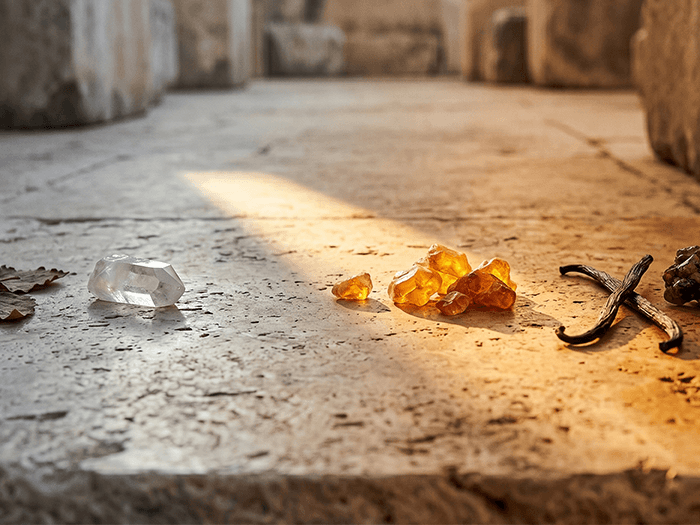
Certain ingredients are particularly prone to color changes. Natural materials such as vanilla, patchouli, balsams, resins, labdanum, benzoin, and various amber accords tend to deepen in color over time. A fragrance that contains a generous dose of these ingredients may develop rich honey, amber, or cognac-like hues even when stored under excellent conditions. In many cases, the darker color simply reflects the natural maturation of the formula rather than a decline in quality.
The scent itself may also evolve alongside the visual transformation. Bright citrus notes and delicate aromatic ingredients are usually the first to lose some of their original sparkle. Meanwhile, deeper woody, resinous, and gourmand facets often become more pronounced. This gradual shift can make a fragrance feel warmer, smoother, and richer than it did when freshly bottled. Some perfumes benefit greatly from this evolution, while others may lose part of the balance intended by the perfumer.
Storage conditions play a crucial role in determining how quickly these changes occur. Direct sunlight, excessive heat, and repeated temperature fluctuations accelerate oxidation and ingredient degradation. Fragrances kept in cool, dark, and stable environments generally maintain both their appearance and scent profile for a considerably longer period.
A change in color alone should rarely be viewed as a definitive indicator that a perfume has spoiled. Many vintage fragrances have darkened dramatically while remaining perfectly wearable decades after production. More important signs of deterioration include a noticeably sour smell, harsh alcoholic sharpness, or a complete loss of the fragrance's original character.
The evolution of a perfume's color serves as a reminder that fragrance is not a static product. Like fine leather, aged spirits, or natural wood, perfume continues to develop long after leaving the laboratory. The liquid inside the bottle remains a living composition, subtly shaped by time, ingredients, and environment, creating a unique journey from the first spray to the final drop.